Shiny Object Syndrome: 3 Strategies That Help Me Stay Focused
3 strategies that are actually helping me stay focused.

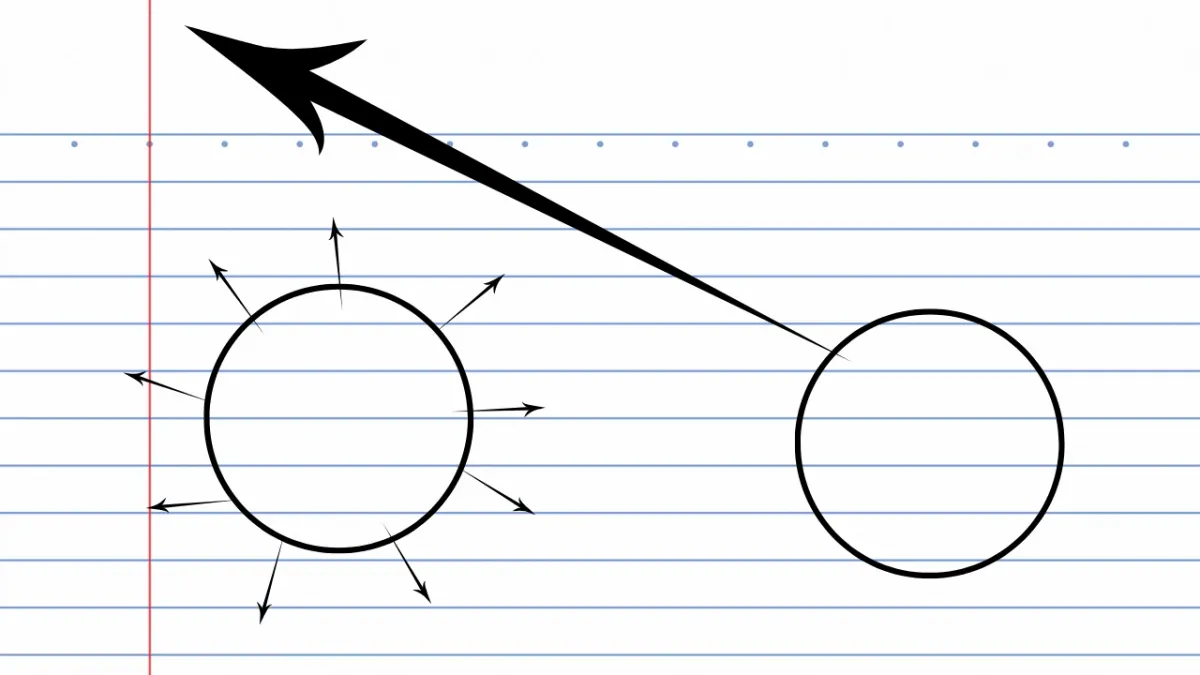
Keep the main thing, the main thing as I say.
That does not mean you can't do fun side projects and what not. We're all dynamic individuals with a wide range of interests, it just means that once you find your thing that works, keep going.
Don't get distracted by something else that syphons off your most valuable asset, your time. Keep your main thing the main thing and grow and expand it.
Don't have a bunch of unrelated products, multiple websites, building multiple things.
I currently manage three brands:
- Edgeofdavid.com (this site obviously).
- My professional content marketing brand.
- My niche site on teaching online and abroad.
As I mentioned here:
 Edge of David
My goal with this brand is complete for the most part.
A low ticket course with a one time fee? Done.
Paid subscriptions? You bet.
Now I all I have to do it make a video once a week and write an email once a week too. Because this topic pays low in ad revenue, if I'm going to maintain this brand I need something to sell.
I like Edge of David because it's truly my personal brand where I can write about and make videos about whatever I'm inspired by. I'm a creative type and do need some sort of fun, creative outlet.
But if I'm going to do this, then yes I need to be smart and build out monetization for this brand.
Now that I'm done, I can just let it roll so to speak and iterate as needed. Publish a KDP book here and there, maybe a new low ticket course at some point. Whatever.
The hard work of actually making stuff is done, now it's a fun side thing where I have products to point too.
Shiny object syndrome - How to Stay Laser Focused
The hard part is not just saying no, it's saying NO to good ideas that work.
So here are three strategies I've implemented that have been transformational about how I spend my valuable time.
1. Map Where Your Money Actually Comes From
The first thing I did was sit down and create a flowchart, a simple visual of all the things I'm doing and where the money is actually coming from. Break it down by what you do and how much money you earned from each item if any at all.
This sounds almost too basic, but it was kind of a slap in the face when I did it. When you see it laid out visually, it becomes painfully obvious where your time should be going.
My main content marketing brand is clearly carrying the weight and affording me my lifestyle abroad.
Everything else? Rounding errors.
My niche site on teaching online and abroad shad a great run from 2019 to 2022. Making roughly $1200-$1500 a month from Amazon Associates and AdSense, it even peaked at $8,000 in both July and August ($16000! I know crazy) during back to school during these years, but with generative AI killing the niche site game and online teaching as a topic dying down, the income is now a meager $50-100 a month.
Edge of David is a fun creative outlet, not a revenue driver, but will see if this changes with my product focused approach here.
Overall, having a visual of where you're money is coming from is so helpful because you can't look at it and justify spending hours on something that's making you a fraction of what your main thing makes.
It forces clarity and focus.
- Edge of David - A fun, once a week side thing. One new vid with my action camera, one new email.
- Niche teaching site - 1 hour a month on this. Log-in, update outdated content, make sure WordPress and plugins are up to date.
- Main thing - 95% of my time and effort goes here
2. Budget Your Time Like Money
Once you know where your focus should go, you have to actually protect it. Time is a resource just like money, it's finite, and how you spend it determines your results long term.
What's helped me is treating my week and month like a budget. For my teaching sit I log in once a week during the week, maybe update something (content or a plugin as needed), check the analytics, check the earnings, and close it. That's it.
I don't think about it between check-ins. I don't log in randomly. It's on the back burner, and the calendar makes that official.
It sounds silly, but having it scheduled removes the mental load of constantly deciding what to work on.
The decision is already made. You're not going to work on that today because it's not on the calendar. Get back to the main thing.
For Edge of David, this is my creative outlet. So when I'm inspired to make a video which is typically once a week, I'll plan it out quickly and record with my action camera. Then these emails and blog posts that I send out, I typically write at the end of the week.
3. Define What Each Project Actually Is (And Isn't)
This one's harder, but it might be the most important. A lot of shiny object syndrome comes from projects being undefined, you haven't decided what something is, so it can become anything, which means it quietly expands and eats your time.
I had to get honest about what Edge of David actually is. I was starting to treat it like a second business, planning a newsletter, building out a website, thinking about paid subscriptions, books and products.
But when I actually asked myself if I had the time and energy to run two newsletters and two content ecosystems, the answer was no.
...and more importantly, it's not where my income comes from.
So I've been reframing it:
Edge of David is a creative outlet. It's where I vlog and create topical videos, shoot stuff on my iPhone, and make content for fun because I want to like this:
 Edge of David
Maybe it becomes something someday or maybe not. I just had to give the ole college try and get some low ticket products done here. But overall, it's not a brand I'm building in competition with my main thing.
Once I defined it that way, I was able to put EdgeofDavid.com in it's proper place and not become obsessed about it, spending a bunch of time on something that makes a small amount of money.
Matt Giovanisci went through the same thing
Matt who runs SwimUniversity.com, MoneyLab.co (he changed it to a personal brand around his name), and BrewCabin.com, went through the same thing.
He was about to go all in on Money Lab before he caught himself and realized he should double down on what's actually working which is his Swim University brand.
That's the move.
Keep Money Lab as a side thing, a creative outlet to talk business, not something that competes for your time on the main thing.
Inspired by Sam Ovens:
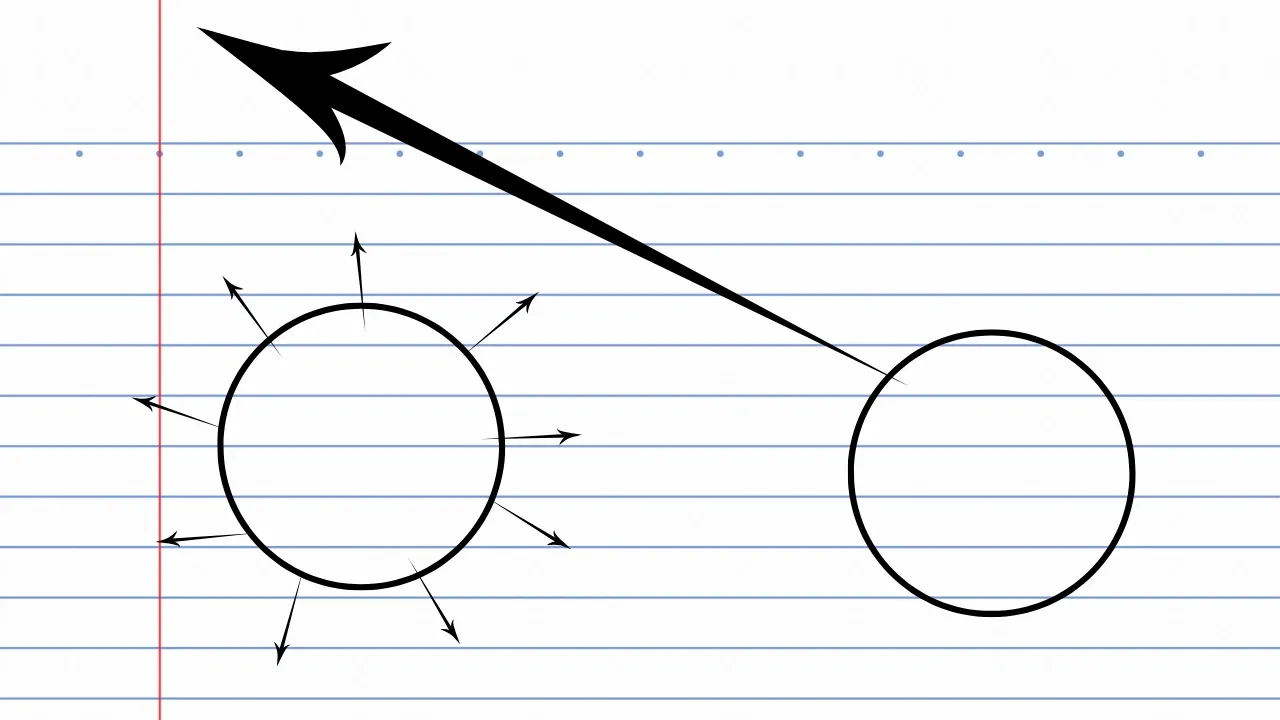
Just want to mention that this visual was inspired by a video from Sam Ovens. His main thesis is that time and focus is finite which it is.
So you should do less, not more. Meaning spend the same amount of time on fewer things (and not be lazy by actually doing less). You are limited by how much progress you can make by spreading out your time compared to going hard at one thing.
He shut down his old business which was doing well (Consulting.com) to go all in on Skool.com which has been a massive success. Instead of spreading his efforts and mental space between two things.
"Perfection is achieved, not when there is nothing more to add, but when there is nothing left to take away" Antoine de Saint-Exupéry
Are their any exceptions?
Only one person comes to mind.
Peter Levels runs multiple software companies that are all quite different.